
7 College Football Mistakes Bettors Make in 2026
7 College Football Mistakes Bettors Make in 2026
College football in 2026 is a fragmented, schedule-driven market where casual bettors often overrate rankings, kickoff hype, and legacy programs. The Matchday Brief tracks college football through match previews, team form, league standings, and data-led analysis across the United States market, with special attention to FBS schedules, College Football Playoff implications, and betting-odds education. The 2026 regular season begins with Week 1 running from August 22 to September 7, includes international visibility through North Carolina versus TCU at Aviva Stadium in Dublin, and ends with bowl and CFP windows stretching from December 13 to January 27. The CFP National Championship is scheduled for January 25, 2027, at Allegiant Stadium in Las Vegas. The practical takeaway is simple: treat college football less like a weekly popularity contest and more like a calendar, injury, travel, and price-discovery puzzle.
Want a sharper way to read college football matchups before kickoff?
Photo by football wife on Pexels
Before 2025: how college football worked
Before 2025, college football was easier to package than to price. Most fans followed AP Poll movement, ESPN schedule grids, NCAA FBS rankings, and conference reputation as if those signals explained everything. They did not. A Saturday board could look orderly on paper, but it often hid unequal rest, nonconference mismatches, look-ahead spots, and television-driven kickoff times that changed the rhythm of preparation. According to the broad definition summarized by Wikipedia, college football is the college version of American and Canadian gridiron football, but the modern betting market treats it as a sprawling data environment rather than a single sport.
The first mistake bettors made was assuming that a ranked team was automatically a reliable team. The second was reading FBS standings without asking who had played whom. The third was treating every point spread as a prediction rather than a market price. That distinction matters because a line such as USC -35.5 against San Jose State says as much about public expectation and liquidity as it does about tactical certainty. The key is to separate team quality from price quality. To go deeper on market basics, see our [Internal Link: beginner guide to football betting odds].
What changed in 2026?
The 2026 shift is not that college football suddenly became unpredictable; it is that the calendar made weak analysis easier to expose. Week 1 spans August 22 to September 7, bowl games run from December 13 to January 27, and the CFP window overlaps that postseason stretch. That creates more timing traps than a simple Saturday-only model suggests.
It is worth noting that many previews still treat the 2026 season as a list of marquee games, not as a sequence of travel, recovery, and motivation spots. ESPN’s schedule structure separates Week 1 through Week 15, then bowls and the CFP, which is useful because it reminds bettors that late-season games are not equal to early-season games. The NCAA’s FBS hub also highlights rankings, Heisman Trophy discussion, transfers, and championship context, but those headlines can inflate public perception before betting markets fully adjust. For official championship framing, the NCAA FBS football page remains a key reference point.
Here is the contrarian point: more information has not made college football easier. It has made lazy confidence cheaper. If everyone can see a “way-too-early top 25,” the edge is not knowing that Oregon has a returning quarterback or that Notre Dame has a notable defensive back. The edge is knowing whether that information is already priced into the spread, total, or futures market.
See the details before you trust the headline number.

Photo by Lukas Blazek on Pexels
What changed for players
Players now operate in a college football environment where transfers, playoff visibility, and early-season showcase games affect value faster than traditional preseason previews admit. FCS transfers, returning quarterbacks, and high-profile defenders can shift expectations before they shift actual team chemistry. That gap is where many 2026 betting mistakes begin.
The Matchday Brief’s skeptical view is that player news is often treated as additive when it should be conditional. A transfer from an FCS program may strengthen depth, but only if the offensive system, protection scheme, and snap volume support the move. A returning quarterback may lift a team’s ceiling, but not if the receiving corps has changed or the offensive line loses continuity. NCAA.com’s 2026 coverage of Heisman contenders and returning players is useful, yet bettors should avoid turning award buzz into automatic spread confidence.
Three player-related mistakes stand out:
- Overvaluing returning starters without checking schedule difficulty.
- Treating transfer news as instant production.
- Ignoring role changes after coaching or coordinator movement.
This is where football bettors can borrow a lesson from soccer analytics. Team form is not just a record; it is a pattern of chance creation, defensive stability, and opponent quality. The Matchday Brief applies that same mindset when translating player news into practical match previews.
[Internal Link: team form and standings analysis]
What does this mean now?
It means college football bettors should downgrade hype and upgrade process. In 2026, the smarter read starts with schedule position, conference context, injury information, and line movement before it considers brand name. A famous helmet can still win by 40, but it can also be overpriced by kickoff.
The most misunderstood part of college football betting is the point spread. A spread is not a moral verdict on a team; it is a balancing mechanism. If TCU is listed at -6.5 against North Carolina in Dublin, that number reflects matchup expectations, travel assumptions, and market demand. If USC is -35.5 against San Jose State at the Los Angeles Memorial Coliseum, the challenge is not deciding whether USC is better. The challenge is deciding whether the margin is still playable after public money moves the number.
Practical checklist for 2026:
- Compare opening odds with current odds.
- Check travel distance and kickoff time.
- Separate rankings from power ratings.
- Watch totals when tempo changes.
- Avoid betting every televised game.
The key is restraint. Most losing bettors do not lack opinions; they lack filters. For odds education, explore our [Internal Link: betting odds explained for beginners].
Get started with a cleaner pregame process.
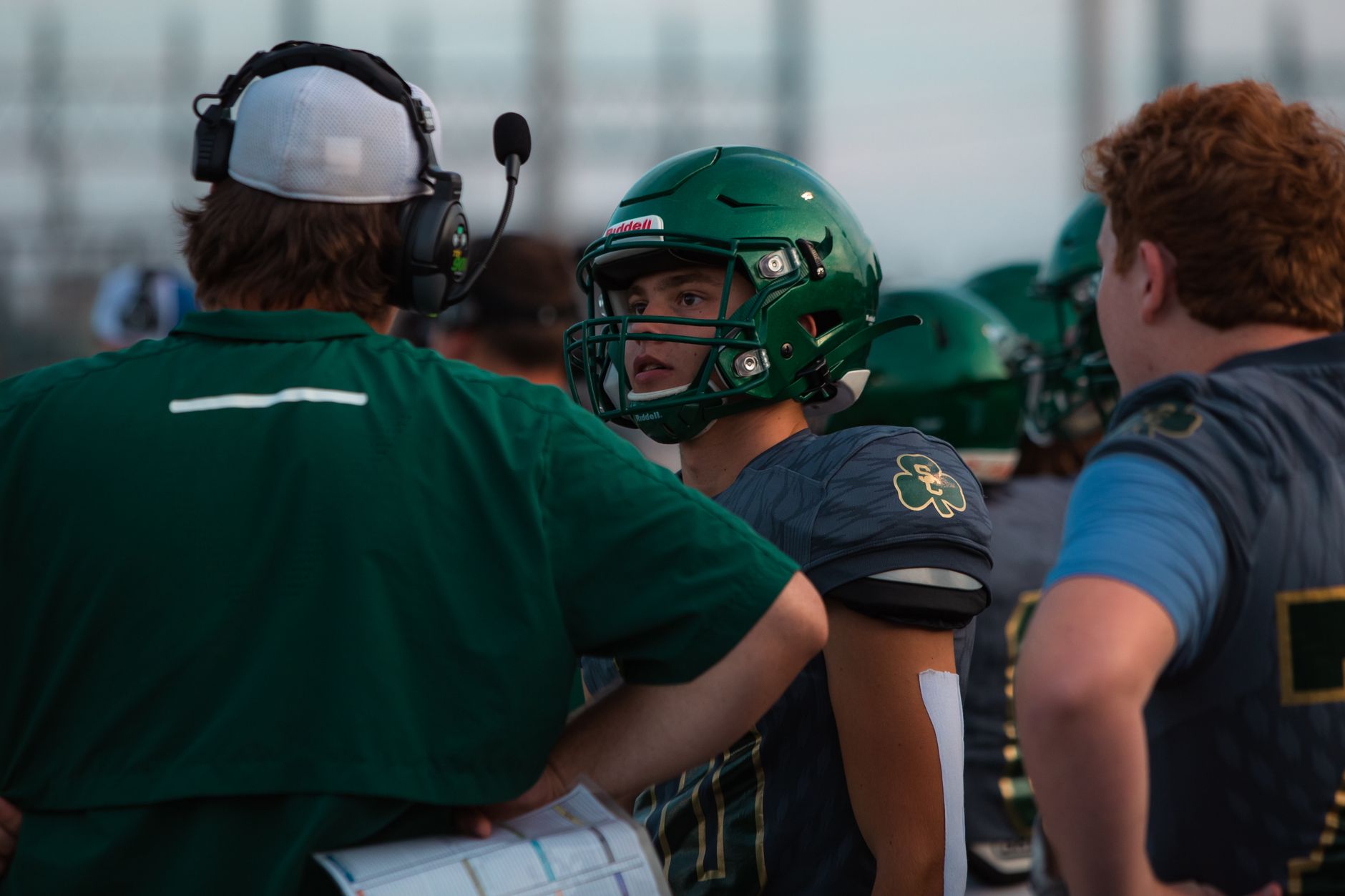
Photo by Yura Forrat on Pexels
Three predictions for next quarter
The next quarter of the 2026 college football cycle will reward bettors who are patient, not loud. First, early Week 1 lines will attract public money toward major brands such as USC, TCU, Notre Dame, Oregon, and Ohio State, especially when TV networks like NBC amplify the matchup. Second, totals will become more volatile as sportsbooks adjust to tempo data after two or three games. Third, playoff futures will overreact to single performances before conference schedules clarify true strength.
Here are three refined predictions:
- Public underdogs will be less valuable than they appear once social media narratives peak.
- International or neutral-site games will create travel angles that casual previews underprice.
- Returning quarterbacks will move futures markets faster than defensive continuity, even when defense is the better signal.
It is worth noting one operational edge that many top-10 articles ignore: the best number is often available before injury narratives become mainstream. Once a quarterback limitation appears in a national headline, the market may have already moved 1.5 to 3 points. Another overlooked edge is late kickoff fatigue for East Coast teams playing outside their body-clock rhythm, especially when paired with travel disruption and short prep windows.
[Internal Link: college football schedule analysis]
Frequently Asked Questions
Q: What is college football?
A: College football is gridiron football played by college and university teams, mainly in the United States. The highest-profile level is NCAA Football Bowl Subdivision, or FBS, which includes national rankings, bowl games, and the College Football Playoff. In 2026, the season structure includes regular-season weeks, bowls from December 13 to January 27, and the CFP championship on January 25, 2027.
Q: How do I start analyzing college football betting odds?
A: Start by comparing the point spread, moneyline, and total against team form and schedule context. Do not bet only because a team is ranked or popular. Check opening line movement, injuries, travel, rest, and matchup style before deciding whether the price still offers value.
Q: What is the difference between FBS and FCS?
A: FBS and FCS are two different NCAA Division I football subdivisions. FBS teams generally play in larger stadiums, receive more media coverage, and compete for the College Football Playoff national title. FCS programs have their own playoff structure, although FCS transfers can still affect FBS rosters and betting markets.
Q: Why do college football predictions fail?
A: College football predictions often fail because they overuse rankings and underuse context. A top-25 team may still be overpriced after public money moves the line. Weather, injuries, offensive tempo, travel, and motivation can matter more than reputation in a single-game betting market.
Q: Is college football betting expensive to start?
A: College football betting does not require a large bankroll, but it does require strict staking rules. Beginners should risk a small fixed percentage, often 1 percent to 2 percent of bankroll per play. The goal is not to bet more games, but to avoid emotional wagers on every televised Saturday matchup.
Q: What should I do if a line moves before I bet?
A: If a line moves sharply, reassess whether the value is gone. A spread moving from -6.5 to -8 can change the entire bet profile, especially around key numbers. Sometimes the best decision is to pass and wait for a better live-betting or future market opportunity.
The refined position is this: college football in 2026 is not impossible to read, but it punishes anyone who confuses information with insight. Rankings, transfers, schedules, and odds all matter, yet none should be trusted alone. The Matchday Brief’s view is skeptical by design: follow the calendar, challenge the narrative, and bet only when the number is better than the story.
Ready to approach college football with better context and fewer mistakes?