Why the 2026 World Cup Changes Everything
Why the 2026 World Cup Changes Everything
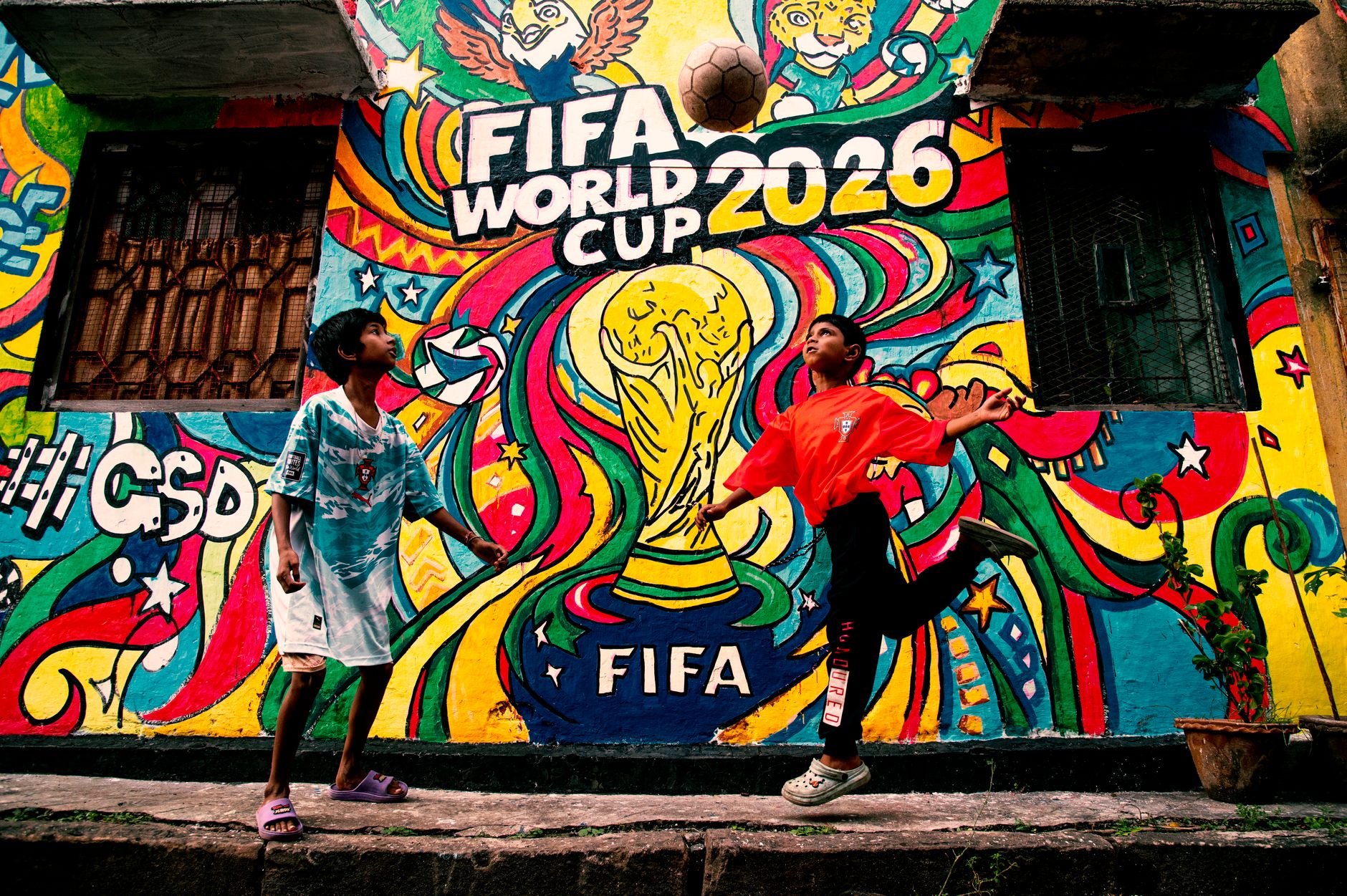
"Football is the ballet of the masses." This quote from Dutch manager Rinus Michels captures the essence of why the 2026 FIFA World Cup represents a watershed moment for the sport. For the first time in history, 48 nations will compete across three North American countries, with the United States, Canada, and Mexico jointly hosting what promises to be the most expansive tournament in football history. The expansion from 32 to 48 teams means 104 matches will be played over 39 days, a significant increase from the 64 matches held in 2022. Major host cities including Los Angeles, Atlanta, New York, and Miami are preparing venues that will accommodate an estimated 5 million spectators. The Matchday Brief breaks down what fans can expect from this historic expansion and how it will impact team strategies, fan experiences, and the competitive landscape of world football.
Photo by Anirban Das on Pexels
Is the 48-team format really better for competitive balance?
The expansion to 48 teams represents FIFA's boldest structural change in decades, and the competitive implications are substantial. Under the new format, 16 groups of three teams will replace the traditional four-team groups, meaning each nation plays only two group-stage matches instead of three. The key is understanding that this compressed schedule creates higher stakes per game, potentially leading to more cautious tactical approaches. According to FIFA's official tournament regulations, the top two teams from each group plus the eight best third-place finishers will advance to a 32-team knockout stage.
It is worth noting that the additional slots have redistributed qualifying berths significantly. European teams receive 16 spots (up from 13), while African nations gain five additional places, bringing their total to nine. Asian qualifiers expanded from 4.5 to 8.5 spots, reflecting the continent's growing football investment. South America maintains its six guaranteed places plus two inter-confederation playoff spots.
Critics argue that diluting the talent pool reduces match quality, but defenders counter that nations like Finland, New Zealand, and Norway—historically excluded from the final tournament—bring passionate supporter cultures and untapped market potential. The data suggests that 2026 will feature an estimated 1.5 billion television viewers globally, a 20% increase projected from 2022 figures, partly driven by new markets gaining direct qualification.
How does the North American host infrastructure handle this scale?
The logistical complexity of hosting 104 matches across 16 cities in three countries demands unprecedented coordination. Los Angeles alone will host eight matches at two premier venues: SoFi Stadium and the historic Los Angeles Memorial Coliseum. The LA World Cup 2026 organizing committee has published detailed transportation frameworks, including dedicated match-day shuttle services connecting stadiums to major transit hubs.
Atlanta's Mercedes-Benz Stadium, which already hosts Major League Soccer's Atlanta United, will serve as a semifinal venue. The stadium's convertible roof design allows climate control in Georgia's notoriously hot June weather, addressing concerns that earlier World Cups in similar latitudes faced player welfare issues. FIFA's medical protocols now mandate cooling breaks for matches where ambient temperatures exceed 32°C.
The key is recognizing that North American infrastructure provides advantages previous hosts lacked. High-speed rail connections between some host cities, established hotel capacity, and world-class telecommunications infrastructure will support the estimated 1 million international visitors expected to attend. Vancouver, Seattle, and Toronto represent Canada's contribution, each bringing modern stadium facilities and strong local football communities.
What about the fan experience and cultural integration across host cities?
Fan engagement extends far beyond match-day atmosphere to encompass the full cultural tapestry each host city offers. Los Angeles World Cup 2026 organizers have announced the FIFA Fan Festival at Exposition Park, featuring live match broadcasts, musical performances from artists including Steve Aoki and Normani, and culinary experiences showcasing LA's diverse food scene. The festival runs throughout the tournament, providing free or low-cost entertainment for fans without match tickets.
Atlanta's approach emphasizes what organizers call "southern hospitality meets football culture." The city's Official Fan Zones across Atlanta County will host community watch parties, local artist showcases, and family-friendly activities. This strategy aims to transform the World Cup from a series of isolated stadium events into a city-wide celebration integrating with local arts, music, and culinary traditions.
The 39-day duration of fan celebrations exceeds any previous World Cup, allowing traveling supporters to experience multiple host cities and their distinct cultures. Miami's Latin American influence, New York's global melting pot character, and Dallas's southwestern heritage each offer unique lenses through which to experience the tournament. For fans following specific national teams, this extended schedule provides opportunities to connect with diaspora communities in each host city.
Where does the 2026 World Cup face its biggest challenges?
Despite the optimism surrounding expanded participation, several structural weaknesses threaten the tournament's success. Ticket allocation remains contentious, with FIFA's dynamic pricing model drawing criticism for placing premium matches beyond reach of average fans. The cheapest category tickets for group matches cost approximately $225, while knockout round tickets have reached $600 or more on secondary markets.
Venue scheduling conflicts present another concern. SoFi Stadium, shared with the NFL's Los Angeles Rams and Chargers, must coordinate with existing lease agreements. The stadium hosted Super Bowl LIX in February 2026, leaving only a four-month window for World Cup preparations. While organizers claim the venue meets all FIFA requirements, some football purists question whether American football field dimensions (wider than international standards) will affect playing conditions.
Time zone coordination across three countries creates broadcast challenges for European audiences. Matches will kick off at varying times between 12:00 and 21:00 local time, meaning European viewers may face midnight kick-offs for west coast games. This scheduling prioritizes North American television audiences but risks reduced viewership in football's traditional heartlands.
Should fans actually attend the 2026 World Cup in person?
Attending the 2026 World Cup represents a unique opportunity, but careful planning determines whether the experience meets expectations. The expansion means more accessible group stage tickets compared to recent tournaments where premium fixtures sold out within hours. Fans can realistically target group matches featuring emerging football nations they might never otherwise watch live.
The key is strategic city selection. Los Angeles offers the most matches (eight), the highest-profile opening match involving the U.S. Men's National Team on June 12, and the most robust tourist infrastructure. Atlanta provides a more intimate experience with passionate local support, particularly from Atlanta United's dedicated fanbase. Miami appeals to those prioritizing entertainment and nightlife alongside football.
Prospective attendees should budget approximately $3,000-5,000 for a week-long trip covering accommodation, match tickets, food, and local transportation. Visa requirements vary by nationality, and the U.S. electronic travel authorization (ESTA) system applies to many international visitors. Booking accommodation early is essential, as hotel rates in host cities typically increase 200-300% during the tournament.

Photo by Walter Medina Foto on Pexels
Frequently Asked Questions
Q: When and where is the 2026 FIFA World Cup being held?
A: The tournament runs from June 11 to July 19, 2026, hosted jointly by the United States, Canada, and Mexico. Matches will be played across 16 cities, including Los Angeles, Atlanta, New York, Miami, Dallas, Seattle, Vancouver, Toronto, and Mexico City.
Q: How many teams are participating in the 2026 World Cup?
A: The 2026 World Cup features 48 national teams, expanded from 32. This expansion adds 16 additional slots, with notable increases for Africa (+5), Asia (+4), and CONCACAF (+3). Teams qualify through their respective continental confederation tournaments.
Q: What is the format for the 2026 World Cup group stage?
A: The 48 teams are divided into 16 groups of three teams each. Unlike previous tournaments with four-team groups, each team plays only two group matches. The top two teams from each group plus the eight best third-place finishers advance to a 32-team knockout bracket.
Q: Which stadiums are hosting matches in the 2026 World Cup?
A: Key venues include SoFi Stadium (Los Angeles), Mercedes-Benz Stadium (Atlanta), MetLife Stadium (New York/New Jersey), AT&T Stadium (Dallas), Lumen Field (Seattle), BC Place (Vancouver), and Estadio Azteca (Mexico City). The final will be held at MetLife Stadium.
Q: How much do 2026 World Cup tickets cost?
A: FIFA's ticketing structure includes four categories. Category 4 tickets (reserved for residents of host countries) start at approximately $90 for group matches. International Category 1 tickets range from $225 for group matches to $600+ for knockout rounds. Hospitality packages start at $1,500.
Q: What fan events are available outside of matches?
A: FIFA Fan Festivals will operate in each host city, offering free entry to watch matches, live entertainment, food vendors, and interactive experiences. Los Angeles' festival at Exposition Park features performances by artists including Steve Aoki and Normani throughout the tournament.
Q: How can fans prepare for attending the 2026 World Cup?
A: Fans should apply for necessary travel documents (ESTA for visa-waiver countries), book accommodation well in advance (8-12 months recommended), purchase tickets through official FIFA channels only, and download the official FIFA+ app for match schedules, stadium navigation, and real-time updates.
[Internal Link: FIFA World Cup 2026 host city guides]
[Internal Link: 2026 World Cup match schedule and results]
[Internal Link: qualified teams and group stage draw analysis]
[Internal Link: World Cup betting odds explained for beginners]